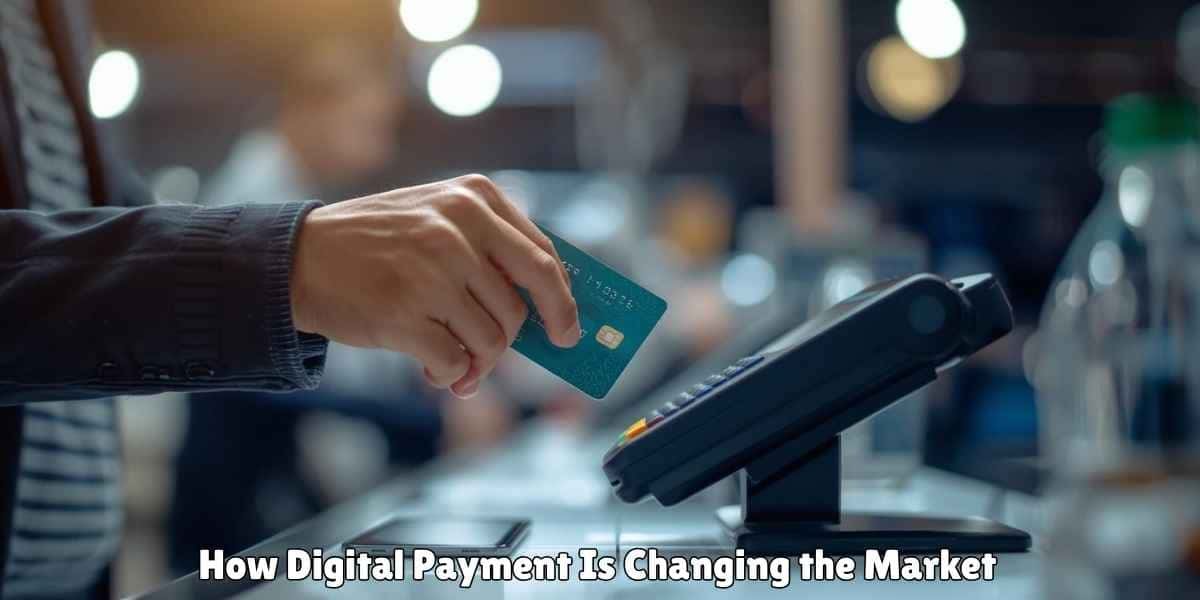
How Digital Payment Is Transforming the Market Day by Day
Introduction to Digital Payment
Digital payment means paying money using a phone, card, or computer instead of cash. It allows people to send and receive money in seconds. Many shops, online stores, and service providers now accept digital payment.
In the past, people carried cash for shopping and bills. Today, they can pay with a tap, scan, or click. This change is making buying and selling faster and easier.
Digital payment is helping both sellers and buyers. It saves time, keeps records, and reduces the need to handle cash. It is also helping markets grow in new ways.
Types of Digital Payment Methods
Mobile Wallets
Mobile wallets allow people to store money on their phones. They can pay in shops by scanning a code or tapping their phone. This method is quick and easy.
Many young people prefer mobile wallets because they do not need to carry cash. They can also send money to friends and family instantly.
Debit and Credit Cards
Cards are widely used for digital payment. People swipe or tap the card at the payment machine. Cards are also used for online shopping.
Cards are safe because they require a pin code or security check. They are accepted in many places around the world.
Online Bank Transfers
Online banking allows people to send money directly from one bank account to another. This method is useful for paying bills, salaries, and large payments.
It creates a clear record of each transaction. This helps track spending and manage money.
QR Code Payments
QR codes are becoming very popular. Customers scan a code and pay instantly. This method is low-cost and easy for small shops.
It does not need expensive machines, which makes it useful for local markets.
Benefits of Digital Payment for Businesses
Digital payment makes business transactions fast. Sellers do not need to count cash or give change. This saves time and reduces mistakes.
It also keeps a record of every sale. Business owners can see daily income and track popular products. This helps in better planning.
Digital payment increases sales because customers prefer easy payment options. Many people buy more when they can pay with a card or mobile wallet.
It also improves safety. There is less risk of theft because cash is not stored in the shop.
Benefits of Digital Payment for Customers
Customers enjoy speed and convenience. They can pay in seconds without waiting in long lines.
They do not need to carry large amounts of cash. This reduces the risk of losing money.
Digital payments also help track expenses. People can see where they spend their money. This improves budgeting.
Many apps offer rewards, cashback, and discounts. These benefits encourage more people to use digital payment.
Impact on Market Growth
Digital payment is helping online shopping grow. People can order products from home and pay instantly. This increases market size.
It also supports small sellers who sell through social media and online platforms. They can receive payments easily without a physical shop.
Fast payments improve business speed. Suppliers get money quickly and send goods faster. This creates a smooth supply chain.
Digital payment also helps global trade. Businesses can receive international payments without delay.
Role in Financial Inclusion
Digital payment is helping people who do not have access to banks. With a mobile phone, they can send and receive money.
This allows more people to join the formal economy. They can pay bills, save money, and run small businesses.
Rural areas benefit from digital payment because they may not have many banks. Mobile payment services provide financial access.
This reduces the gap between urban and rural markets and increases economic activity.
Challenges of Digital Payment
Security is a major concern in digital payment systems. Many users fear fraud, hacking, and data theft. Strong passwords and secure apps are needed to protect accounts.
Fake links and scam messages often trick people into sharing banking details. Once information is stolen, money can be misused quickly. Awareness and careful use of trusted platforms can reduce this risk.
A stable internet connection is required for most digital payments. In areas with weak networks, transactions may fail or get delayed. This creates confusion for both customers and sellers.
Failed payments reduce trust in digital systems. People may return to cash if problems happen often. Better network coverage is important for smooth digital transactions.
Lack of digital knowledge is another challenge. Some users do not know how to use mobile wallets or online banking. Training programs and simple tutorials can help users learn safely. Customer support also builds confidence in digital payment methods.
Transaction fees can be a problem for many sellers. Small charges on each payment reduce their profit. Because of this, some shop owners prefer cash. Lower fees and special plans for small traders can increase digital payment use. This will help both businesses and customers.
Future Trends in Digital Payment
Contactless payment is becoming common. People can tap their card or phone without entering a pin for small amounts.
Biometric security such as fingerprint and face recognition is improving safety. This reduces fraud.
Artificial intelligence is helping detect unusual transactions and prevent fraud.
Digital currencies and real time payment systems are also growing. These technologies will make payments even faster and more secure.
Strategies to Promote Digital Payment
Training programs can teach people how to use digital payments in a safe and simple way. These programs can show how to create strong passwords, avoid scams, and use trusted apps. When people learn step by step, their fear is reduced.
Businesses should offer multiple payment options such as cards, mobile wallets, and QR code payments. Customers like shops where they can choose their preferred method. Easy payment increases customer satisfaction. More payment options help increase sales and repeat visits.
Governments and banks can reduce transaction fees to make digital payments more affordable. Lower costs encourage small traders and new users to adopt digital systems. Special packages for micro sellers can support market growth.
Improving internet access is very important for digital payment adoption. Fast and stable networks help transactions complete without errors. Rural and remote areas need better connectivity for equal participation.
Conclusion
Digital payment is changing the way markets work. It makes transactions fast, safe, and easy. It helps businesses increase sales and helps customers save time.
It also supports online trade, financial inclusion, and global business growth. However, security, internet access, and digital literacy remain important challenges.
With better technology, training, and secure systems, digital payment will continue to grow and shape the future of the market.
For More Blogs visit our site: Mumble Cafe
Frequently Asked Questions
What is a digital payment?
Digital payment is a method of paying money using a phone, card, or computer instead of cash.
Is digital payment safe?
Yes, it is safe when strong passwords and secure apps are used.
How does digital payment help businesses?
It speeds up transactions, keeps records, and increases sales.
Can digital payment work without the internet?
Most digital payments need internet, but some card systems can work offline for small amounts.
Why do customers prefer digital payment?
It is fast, easy, and offers rewards and discounts.
What is the future of digital payment?
The future includes contactless payment, biometric security, and digital currencies.