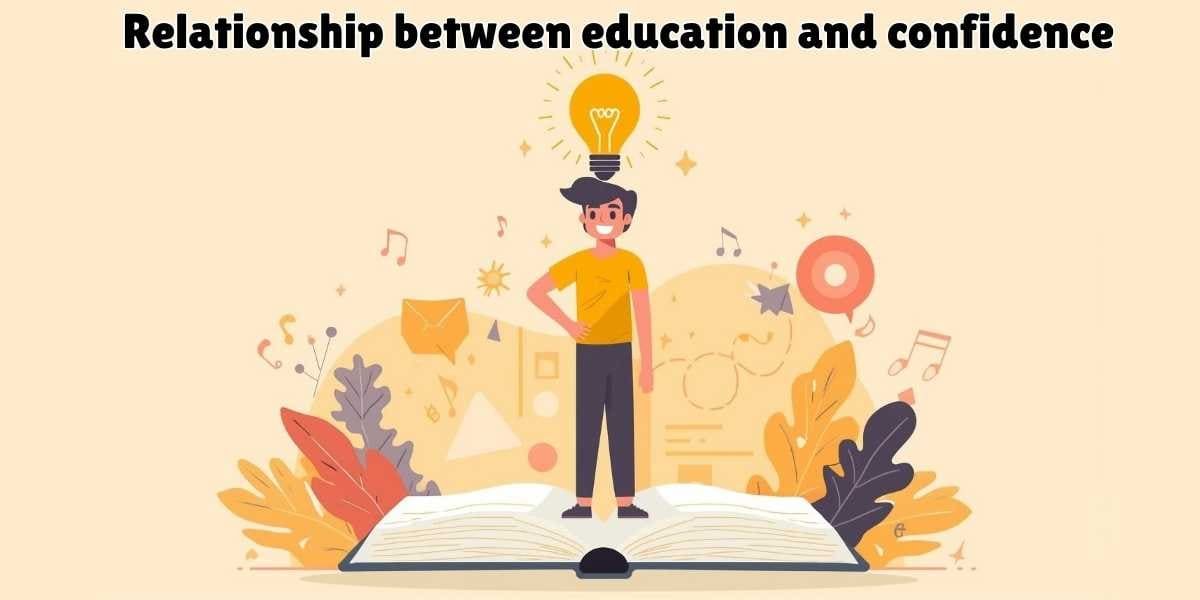
Relationship Between Education and Confidence
Education and confidence are closely linked. When a person learns new things, the mind becomes stronger, and the heart becomes braver. Knowledge gives the power to speak, think, and act without fear. A confident person is able to face problems and find solutions. This content explains how education helps to build confidence.
What Is Education
Education is the process of learning new skills, ideas, and values. It starts from early childhood and continues throughout life. Schools, colleges, and even daily life teach many lessons. Reading books, solving problems, and asking questions are all parts of education.
Education does not only mean getting high marks. It also means learning how to think clearly and make good choices. A person becomes aware of the world through education. This awareness helps in building a strong personality.
Education also teaches discipline and patience. When a student studies regularly, the mind becomes organized. This habit later helps in work and personal life.
What Is Confidence
Confidence is the belief in one’s own ability. A confident person trusts personal skills and decisions. Such a person speaks clearly and does not fear mistakes. Confidence does not mean knowing everything. It means believing that learning is always possible.
Confidence grows slowly. It develops when a person achieves small goals. Every success increases inner strength. Even failures help in building confidence when lessons are learned from them.
A confident person can try new things. Fear becomes smaller when knowledge becomes greater.
How Education Builds Confidence
Education and confidence are deeply linked. Education gives knowledge. Knowledge removes fear. When a student understands a topic, hesitation decreases. The student becomes ready to answer questions and share ideas.
Education also improves communication skills. Reading and writing help in expressing thoughts clearly. Speaking in class builds courage. These activities make a student feel strong and capable.
Problem-solving is another benefit of education. When students solve difficult questions, they feel proud. This pride increases self-belief. Confidence grows each time a challenge is completed.
Role of Teachers in Building Confidence
Teachers play an important role in student confidence. A kind teacher encourages students to try again after mistakes. Positive words from teachers make students feel valued.
When teachers give equal attention to all students, everyone feels important. This creates a safe learning environment. In such an environment, students are not afraid to speak.
Teachers also provide guidance. Clear explanations help students understand lessons better. Understanding leads to confidence.
Role of Parents in Developing Confidence Through Education
Parents are the first teachers in a child’s life. Support from parents helps children perform better in school. When parents appreciate effort, children feel motivated.
Helping with homework and reading together creates a learning habit. This habit builds knowledge and confidence at the same time. Encouraging children to ask questions makes them curious and brave.
Negative criticism can reduce confidence. Positive support increases it. A balanced approach is always helpful.
Importance of Classroom Activities
Classroom activities help students become active learners. Group discussions allow students to share ideas. When a student speaks in front of others, fear decreases.
Presentations and debates improve speaking skills. These activities teach how to organize thoughts and explain them clearly. Confidence grows with practice.
Sports and creative tasks also help. Winning is not the only goal. Participation itself builds courage and self-belief.
Education and Self Awareness
Education helps a person understand personal strengths and weaknesses. This understanding is called self-awareness. A self-aware person knows which skills need improvement.
When a student recognizes strengths, confidence increases. When weaknesses are identified, improvement becomes possible. Education provides tools for this improvement.
Self-awareness leads to better decision-making. Good decisions increase success. Success increases confidence.
Education and Social Confidence
Education improves social skills. Students learn how to work in teams and respect others. Group work teaches cooperation and communication.
Meeting different people in school builds social confidence. A student learns how to speak politely and listen carefully. These skills are useful in daily life.
A socially confident person can make friends easily. Such a person feels comfortable in new situations.
Education and Career Confidence
Education prepares a person for future work. Skills learned in school and college help in getting jobs. A skilled person feels more secure about the future.
Professional knowledge increases confidence during interviews. A well-educated person can answer questions clearly. Employers prefer confident individuals.
Career success also improves self-respect. This self-respect strengthens overall confidence.
Education and Decision Making
Education teaches how to think logically. Logical thinking helps in making good decisions. A person who makes good decisions feels more confident.
Knowledge helps in understanding risks and benefits. This understanding reduces fear of failure. A confident person takes responsibility for choices.
Decision-making skills are useful in personal and professional life. Education provides the foundation for these skills.
Education and Emotional Strength
Education also builds emotional strength. Reading stories and learning history teach lessons about life. These lessons help in understanding emotions.
A person who understands emotions can handle stress better. Stress management increases confidence. Calm thinking leads to better actions.
Education teaches patience and persistence. These qualities are important for emotional stability.
Challenges in Education That Affect Confidence
Not all students feel confident in school. Fear of failure can reduce self-belief. Negative comparison with others can also harm confidence.
Lack of support from teachers or parents creates problems. Poor learning methods can make students feel weak. These challenges must be addressed.
Encouragement, proper teaching methods, and a positive environment can solve these problems. Confidence can be rebuilt with time and effort.
Ways to Improve Confidence Through Education
Setting small learning goals helps in building confidence. Completing each goal gives a sense of achievement. Regular practice improves skills.
Participating in class activities increases courage. Asking questions removes confusion. A clear understanding increases self-belief.
Reading books and learning new skills also help. Knowledge always increases confidence. Continuous learning is the best method.
Also Read This: Mumbles Cafe: How Digital Payment Is Transforming the Market Day by Day
Lifelong Learning and Confidence
Education does not end with school. Lifelong learning keeps the mind active. Learning new skills at any age increases confidence.
Technology provides many learning opportunities. Online courses and digital books make education accessible. Continuous learning keeps a person updated.
A person who keeps learning feels prepared for change. This preparation creates strong confidence.
Conclusion
Education and confidence are deeply connected. Education provides knowledge, skills, and awareness. Confidence grows when a person understands and applies this knowledge.
Support from teachers and parents strengthens this relationship. Classroom activities, social interaction, and career preparation all contribute to confidence building.
Lifelong learning keeps confidence strong. A well-educated person becomes brave, thoughtful, and capable. Education is the foundation of true confidence.
FAQs
1. How does education increase confidence?
Education increases knowledge and skills. This reduces fear and improves self-belief.
2. Can confidence grow without education?
Confidence can grow through experience. However, education makes the process faster and stronger.
3. Why are teachers important for student confidence?
Teachers provide guidance, encouragement, and a safe learning environment. This helps students speak and learn without fear.
4. How do classroom activities build confidence?
Activities like presentations and group work improve communication and reduce hesitation.
5. Does higher education always mean higher confidence?
Higher education often improves confidence, but support and personal effort are also important.
6. What is the role of parents in building confidence through education?
Parents provide emotional support and motivation. Their encouragement helps children believe in themselves.